1. Understanding the Importance of a Personal Website
Why You Need a Personal Website
In today’s digital landscape, having a personal website is crucial for establishing your online presence. It serves as your personal brand, showcasing your skills, projects, and personality to potential employers and collaborators. Trust me, it’s like having a digital business card that doesn’t get lost in someone’s wallet.
A personal website gives you control over your online narrative. While social media platforms are great for connecting and sharing, they don’t always highlight your work the way you’d want. With your own site, you decide what to showcase and how, allowing for a more tailored representation of yourself.
Plus, it’s a fantastic way to demonstrate your technical skills. Whether you’re a developer, designer, writer, or any other creative, having a well-built website tells potential clients that you know how to create something from scratch. It’s almost like saying, “Hey, I’m not just good at what I do; I can also make it look great!”
2. Exploring Open-Source Templates
Benefits of Using Open-Source Templates
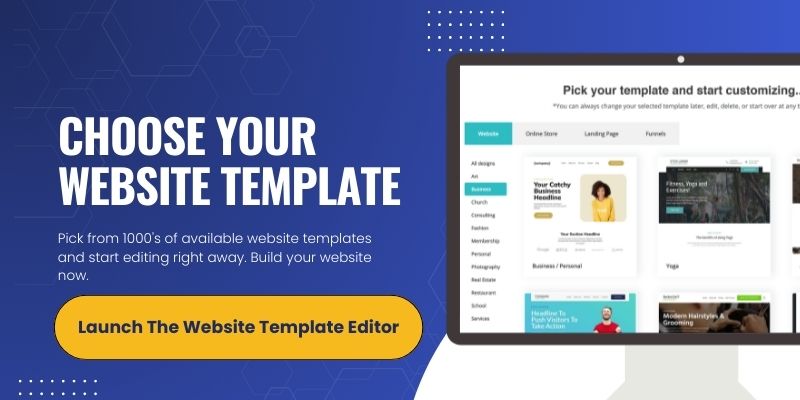
Open-source templates are a game-changer for anyone looking to build a personal website without starting from square one. They allow you to focus on customization rather than coding every detail from the ground up. Whether you’re a novice or an experienced developer, there’s something for everyone.
Another awesome thing about open-source templates is the community support. You can find forums, GitHub discussions, and documentation that can help when you hit a snag. Trust me, having a community to turn to makes the whole process less daunting and way more enjoyable.
Lastly, they come with built-in functionalities. Many templates already include features like responsive design, SEO optimization, and even analytics. So, instead of spending hours coding these essentials, you can dive right into showcasing your talents!
3. Top Features to Look for in a Template
User Interface and Experience
When choosing a template, user interface (UI) and user experience (UX) are paramount. A well-designed website should be easy to navigate, ensuring that visitors can find what they’re looking for without frustration. Remember, first impressions matter, and a cluttered layout can turn visitors away.
Look for templates that prioritize clean design elements—things like whitespace, typography, and a natural flow from one section to another. Trust me; it can make a world of difference in how your work is perceived.
Also, consider mobile responsiveness. With so many people browsing on their phones, it’s crucial that your template looks great on all devices. Don’t make your visitors pinch and scroll to read your content!
4. Popular Open-Source Options on GitHub
Highlighting the Best Templates Available
GitHub is a treasure trove of open-source templates, and some truly shine when it comes to personal websites. I’ll list a few that I’ve found to be pretty impressive: Jekyll, HTML5 UP, and Minimal Mistakes. Each of these has its own charm and capabilities that can cater to different needs.
Jekyll is great if you want something that integrates seamlessly with GitHub Pages. It’s perfect for blogs or content-heavy sites, giving you flexibility and ease of use. Meanwhile, HTML5 UP provides stunning designs that are fully responsive and visually appealing without needing you to touch much code.
Minimal Mistakes is another fantastic choice, especially for those looking for a clean aesthetic. It’s highly customizable, has excellent documentation, and offers multiple layout options, giving you plenty of room to express your style.
5. Customizing Your Template for Personal Branding
Adapting the Template to Fit Your Style
Once you’ve chosen a template, the fun part begins—customizing it! This is where you can let your personality shine. Start by changing the color scheme to something that resonates with you. Colors convey emotions, and picking the right palette can enhance your brand identity.
Next, think about your content. Your website should reflect who you are, so include personal projects, blogs, or your portfolio. Share your story! People connect more by learning about you beyond the resume.
Lastly, don’t forget about optimizing for SEO. This could be simple things like ensuring your images are tagged correctly or incorporating keywords in your headers. A few tweaks can make your site more discoverable, boosting your online presence significantly.
FAQ
1. What is an open-source website template?
An open-source website template is a pre-designed web page that is publicly available for anyone to use, modify, and distribute. They’re a great resource for building personal websites without starting from scratch.
2. How do I choose the right template for my personal website?
Choose a template that fits your needs in terms of usability, design style, and responsive capabilities. Look for something that resonates with your personal brand and offers the customization options you desire.
3. Can I customize an open-source template?
Absolutely! Open-source templates are designed to be customizable. You can change colors, layouts, typography, and more to fit your unique style and branding.
4. Are open-source templates free to use?
Yes, most open-source templates are free to use, but make sure to check the licensing. Some may have specific rules about how they can be modified or distributed.
5. Where can I find open-source templates for website building?
You can find open-source templates on platforms like GitHub, ThemeForest, or directly from web development communities. Just search for “open-source personal website templates” and explore the options!